


How to Handle a Breakdown Safely on the Highway
January 13, 2026
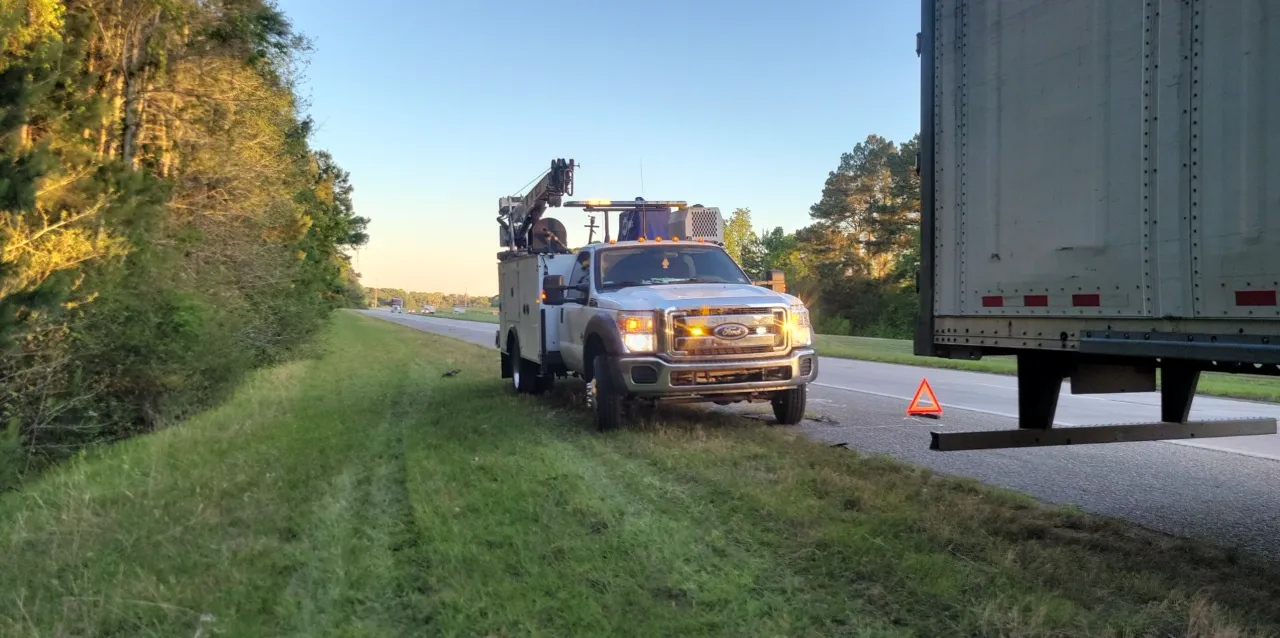
There’s no worse feeling than grinding to a halt on the side of a busy highway. Maybe it’s a blown tire, a drop in oil pressure, or the engine temperature is creeping into the danger zone. Whatever the reason, your next steps are crucial to both your safety and every other driver on the road.
So, what do you do when your truck breaks down? Just follow the steps we outline in this guide, and you’ve got nothing to worry about.
What Should You Do When Your Truck Breaks Down?
Step 1: Get the truck safely off the roadway. Immediately signal and steer the rig onto the right shoulder, avoiding sudden braking. If you are near a blind curve, continue cautiously until you reach a straight, visible pull-off point.
Step 2: Alert traffic. Set the air brakes, turn on your hazard lights, and immediately deploy your emergency reflective triangles or flares to create a warning buffer for other drivers. The standard highway setup is one triangle 10 feet behind, one 100 feet behind, and one 100 feet ahead.
Step 3: Call for help. Once the scene is secured, remain inside the cab (unless there is smoke or fire) and call a trusted mobile repair service. Be prepared to provide your exact location (mile marker, exit number) and a precise description of the vehicle and the issue.
Step 1: Prioritize Safety First
The moment you detect a mechanical issue—loss of power, a strange vibration, or smoke from under the hood—your first move should be to signal and steer to the right shoulder. Use your turn signal and carefully ease your rig off the highway. Avoid slamming the brakes unless absolutely necessary; sudden stops in a heavy-duty vehicle can cause chain reactions in traffic.
If you’re on a curve or near a blind spot, keep moving (if possible) until you find a safer, visible pull-off point. Remember, visibility is key. Other drivers need to see you in time to react, or you risk worsening the situation.
Step 2: Set Up Emergency Warning Devices
Once you’ve parked and set your brakes, it's time to alert others. Turn on your hazard lights immediately. Then, deploy your reflective triangles or flares.
Here’s the correct DOT-recommended triangle setup for highways:
- One triangle 10 feet behind the vehicle (on the traffic side)
- One triangle 100 feet behind
- One triangle 100 feet ahead (facing oncoming traffic if on a two-lane road)
This spacing provides a warning buffer for oncoming drivers. In poor visibility, like snow or fog, use additional flares or emergency lighting for extra safety.
Step 3: Stay Inside and Stay Visible
Unless there’s smoke or fire, do not exit the vehicle unnecessarily, especially on busy highways. Your truck is the safest place you can be until help arrives. If it’s winter, stay warm by keeping your heater running (if possible) and using a blanket.
If you must step out, always wear your high-visibility vest and exit from the passenger side if it’s safer. Keep your phone and any important paperwork (permits, inspection logs, etc.) with you in case emergency responders or roadside diesel techs need them.
Step 4: Diagnose (If You Can Do So Safely)
Experienced drivers can often recognize the early signs of trouble. If you're trained and it’s safe, you may:
- Check for signs of overheating, like steam or rising coolant temps.
- Scan your dash for warning lights (engine, DEF, air pressure, etc.).
- Walk around and inspect for obvious issues like flat tires, fluid leaks, or a disconnected airline.
But if traffic’s heavy or you're unsure what caused the breakdown, it’s best to leave diagnostics to professionals.
Step 5: Call for Roadside Assistance
Once you’ve stabilized the situation, call a trusted mobile diesel repair provider. These are specialized professionals who are trained to handle these exact situations. Be ready to provide:
- Your exact location (mile marker, exit number, GPS coordinates)
- Vehicle details (make, model, year)
- A description of the problem (smoke, strange noises, etc.)
- Cargo info, if applicable (for hazmat or perishable loads)
Don’t forget to let dispatch know if you’re blocking a lane. This can help expedite help or even prompt police assistance for traffic control.
Prevention: Watch for Common Culprits
Breakdowns often happen due to a handful of common problems:
- Overheating: Can stem from a failed fan clutch, clogged radiator, or bad water pump.
- Tire failures: Blowouts or tires coming off the bead can be catastrophic at highway speeds.
- Loss of air pressure: If your air brake system leaks or the compressor fails, your rig will eventually lock up.
- Fuel delivery issues: A failing fuel pump or clogged filters can stall your engine and leave you stranded.
Proactive preventive maintenance helps catch these issues before they turn into full-blown emergencies.
Use the Downtime Wisely
While you’re waiting, take a breather. Update your ELD, check on your logs, or hydrate. Notify your dispatcher and customers if delays are likely. A few moments of smart communication can save hours of chaos down the line.
And remember, don’t try to DIY a roadside repair unless you’re equipped, trained, and 100% sure of the fix. Highway repairs are dangerous, and some errors just aren’t worth the risk you can put yourself and others in.
Prepare for Next Time
A breakdown is a learning opportunity. After you’re back on the road, ask yourself:
- Did I have the right emergency gear?
- Was my preventive maintenance schedule up to date?
- Do I have a local mobile repair contact saved in my phone?
- Do I need to revisit ECM tuning or telematics settings to track health data better?
Final Thoughts
Breakdowns happen, even to the best-maintained trucks. The key is how you handle them. Stay calm, follow proper safety protocol, and lean on trusted roadside experts when needed.
Whether you’re hauling freight across state lines or making local runs near Erie County, safe roadside behavior keeps you and others out of harm’s way.
Based in Franklin, PA.
814 Truck & Equipment Services provides experienced mobile truck repair services to the surrounding areas. Call today for a service estimate and to schedule mobile repair.

